
Genome
Sequencing
Transcriptome Sequencing
Epigenome Sequencing
Library Sequencing
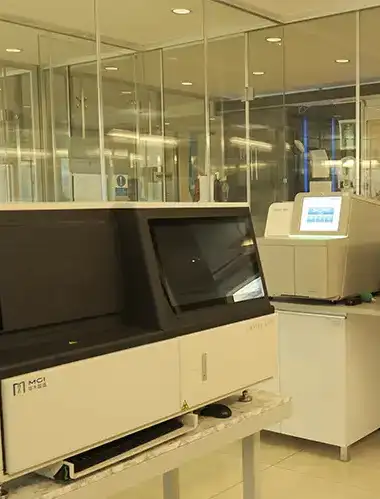
Transcriptome Sequencing
LifeScience's transcriptome sequencing services offer comprehensive and high-resolution analyses to unlock the full potential of transcriptomics research.
Our RNA sequencing technology covers both coding (mRNA) and non-coding (lncRNA, sRNA, circRNA) regions, providing valuable insights into the complex interactions between cellular processes.
Full-length transcript sequencing supported by long-read technologies ,
enables the reliable detection of alternatively spliced transcripts, gene fusions, and novel transcripts. In addition, our prokaryotic RNA and metatranscriptomic sequencing solutions allow for detailed analysis of microbial gene expression at both species and community levels.
- mRNA Sequencing
- Long Non-Coding RNA Sequencing (lncRNA-seq)
- Small RNA Sequencing (sRNA-seq)
- Circular RNA Sequencing (circRNA-seq)
- Detection of alternative splicing and gene fusion events
- Discovery of novel transcripts
- Analysis of microbial population dynamics
- Research on drug resistance and disease mechanisms
- Gene expression studies in agriculture, environment, food, and water safety
Transcriptome Sequencing
- mRNA Sequencing
- lncRNA Sequencing
- Small RNA Sequencing
- Circular RNA Sequencing
- Total Transcriptome Sequencing
- Isoform Sequencing
| Service | Sample Type | Quantity (Qubit) | Volume | Concentration | RIN (Agilent 2100) | Purity |
|---|---|---|---|---|---|---|
| Eukaryotic mRNA (polyA enrichment) | Total RNA (animal) | ≥ 100 ng | ≥ 10 µL | ≥ 10 ng/µL | ≥ 4.0, with flat baseline | – |
| Total RNA (plant & fungi) | ≥ 100 ng | ≥ 10 µL | ≥ 10 ng/µL | ≥ 4.0, with flat baseline | – | |
| Total RNA (blood) | ≥ 400 ng | ≥ 20 µL | ≥ 20 ng/µL | ≥ 5.0, with flat baseline | – | |
| – | Double-stranded cDNA | ≥ 100 ng | ≥ 10 µL | ≥ 10 ng/µL | Fragments between 400–5000 bp, main peak at ~2000 bp | OD260/280 ≥ 2.0; OD260/230 ≥ 2.0; no degradation, no contamination |
| Strand-specific Eukaryotic mRNA (polyA enrichment) | Total RNA (animal) | ≥ 400 ng | ≥ 20 µL | ≥ 20 ng/µL | ≥ 5.0, with flat baseline | – |
| Total RNA (plant & fungi) | ≥ 400 ng | ≥ 20 µL | ≥ 20 ng/µL | ≥ 5.0, with flat baseline | – | |
| Total RNA (blood) | ≥ 400 ng | ≥ 20 µL | ≥ 20 ng/µL | ≥ 5.0, with flat baseline | – |
| Service | Sample Type | Quantity (Qubit) | Volume | Concentration | RIN (Agilent 2100) | Purity |
|---|---|---|---|---|---|---|
| Eukaryotic Strand-Specific lncRNA (rRNA depletion) | Total RNA (animal) | ≥ 500 ng | ≥ 10 µL | ≥ 50 ng/µL | ≥ 5.5, with flat baseline | – |
| Total RNA (plant & fungi) | ≥ 500 ng | ≥ 10 µL | ≥ 50 ng/µL | ≥ 5.5, with flat baseline | – | |
| Total RNA (blood) | ≥ 500 ng | ≥ 10 µL | ≥ 50 ng/µL | ≥ 5.5, with flat baseline | – | |
| Exosome RNA (human & mouse) | ≥ 5 ng | ≥ 10 µL | – | Fragments between 25–200 nt, FU* > 10 | – | – |
| Eukaryotic sRNA (18–40 bp insert) | Total RNA (animal) | ≥ 2 µg | ≥ 20 µL | ≥ 50 ng/µL | ≥ 7.5, with flat baseline | OD260/280 ≥ 2.0; OD260/230 ≥ 2.0; no degradation, no contamination |
| Total RNA (plant & fungi) | ≥ 2 µg | ≥ 20 µL | ≥ 50 ng/µL | ≥ 7.0, with flat baseline | ||
| Exosome RNA | ≥ 10 µg | ≥ 10 µL | – | Fragments between 25–200 nt, FU* > 10 | ||
| Eukaryotic circRNA (rRNA & linear RNA depletion) |
Total RNA (animal) | ≥ 2 µg | ≥ 20 µL | ≥ 50 ng/µL | ≥ 7.0, with flat baseline | |
| Total RNA (plant & fungi) | ≥ 2 µg | ≥ 20 µL | ≥ 50 ng/µL | ≥ 6.5, with flat baseline | ||
| Eukaryotic lncRNA & sRNA | Total RNA | ≥ 2.5 µg | ≥ 30 µL | ≥ 50 ng/µL | ≥ 7.5 with flat baseline (animal) ≥ 7.0 with flat baseline (plant & fungi) |
– |
| Eukaryotic lncRNA, sRNA & circRNA | Total RNA | ≥ 4.5 µg | ≥ 50 µL | ≥ 50 ng/µL | – | – |
*Fluorescent units
| Service | Sample Type | Quantity (Qubit) | Volume | Concentration | RIN (Agilent 2100) | Purity |
|---|---|---|---|---|---|---|
| Eukaryotic Strand-Specific lncRNA (rRNA removal) | Total RNA (animal) | ≥ 500 ng | ≥ 10 µL | ≥ 50 ng/µL | ≥ 5.5, with flat baseline | – |
| Total RNA (plant & fungi) | ≥ 500 ng | ≥ 10 µL | ≥ 50 ng/µL | ≥ 5.5, with flat baseline | – | |
| Total RNA (blood) | ≥ 500 ng | ≥ 10 µL | ≥ 50 ng/µL | ≥ 5.5, with flat baseline | – | |
| Exosome RNA (human & mouse) | ≥ 5 ng | ≥ 10 µL | – | Fragments between 25–200 nt, FU* > 10 | – | |
| Eukaryotic sRNA (18–40 bp insert) | Total RNA (animal) | ≥ 2 µg | ≥ 20 µL | ≥ 50 ng/µL | ≥ 7.5, with flat baseline | OD260/280 ≥ 2.0; OD260/230 ≥ 2.0; no degradation, no contamination |
| Total RNA (plant & fungi) | ≥ 2 µg | ≥ 20 µL | ≥ 50 ng/µL | ≥ 7.0, with flat baseline | ||
| Exosome RNA | ≥ 10 µg | ≥ 10 µL | – | Fragments between 25–200 nt, FU* > 10 | ||
| Eukaryotic circRNA (rRNA & linear RNA depletion) | Total RNA (animal) | ≥ 2 µg | ≥ 20 µL | ≥ 50 ng/µL | ≥ 7.0, with flat baseline | |
| Total RNA (plant & fungi) | ≥ 2 µg | ≥ 20 µL | ≥ 50 ng/µL | ≥ 6.5, with flat baseline | ||
| Eukaryotic lncRNA & sRNA | Total RNA | ≥ 2.5 µg | ≥ 30 µL | ≥ 50 ng/µL | ≥ 7.5 with flat baseline (animal) ≥ 7.0 with flat baseline (plant & fungi) |
– |
| Eukaryotic lncRNA, sRNA & circRNA | Total RNA | ≥ 4.5 µg | ≥ 50 µL | ≥ 50 ng/µL | – | – |
*Fluorescent units
| Service | Sample Type | Quantity (Qubit) | Volume | Concentration | RIN (Agilent 2100) | Purity |
|---|---|---|---|---|---|---|
| Eukaryotic Strand-Specific lncRNA (rRNA depletion) | Total RNA (animal) | ≥ 500 ng | ≥ 10 µL | ≥ 50 ng/µL | ≥ 5.5, with flat baseline | – |
| Total RNA (plant & fungi) | ≥ 500 ng | ≥ 10 µL | ≥ 50 ng/µL | ≥ 5.5, with flat baseline | – | |
| Total RNA (blood) | ≥ 500 ng | ≥ 10 µL | ≥ 50 ng/µL | ≥ 5.5, with flat baseline | – | |
| Exosome RNA (human & mouse) | ≥ 5 ng | ≥ 10 µL | – | Fragments between 25–200 nt, FU* > 10 | – | |
| Eukaryotic sRNA (18–40 bp insert) | Total RNA (animal) | ≥ 2 µg | ≥ 20 µL | ≥ 50 ng/µL | ≥ 7.5, with flat baseline | OD260/280 ≥ 2.0; OD260/230 ≥ 2.0; no degradation, no contamination |
| Total RNA (plant & fungi) | ≥ 2 µg | ≥ 20 µL | ≥ 50 ng/µL | ≥ 7.0, with flat baseline | ||
| Exosome RNA | ≥ 10 µg | ≥ 10 µL | – | Fragments between 25–200 nt, FU* > 10 | ||
| Eukaryotic circRNA (rRNA and linear RNA depletion) | Total RNA (animal) | ≥ 2 µg | ≥ 20 µL | ≥ 50 ng/µL | ≥ 7.0, with flat baseline | |
| Total RNA (plant & fungi) | ≥ 2 µg | ≥ 20 µL | ≥ 50 ng/µL | ≥ 6.5, with flat baseline | ||
| Eukaryotic lncRNA & sRNA | Total RNA | ≥ 2.5 µg | ≥ 30 µL | ≥ 50 ng/µL | ≥ 7.5 with flat baseline (hayvan) ≥ 7.0 with flat baseline (plant & fungi) |
– |
| Eukaryotic lncRNA, sRNA & circRNA | Total RNA | ≥ 4.5 µg | ≥ 50 µL | ≥ 50 ng/µL | – | – |
*Fluorescent units
Sample Requirements
| Library Type | Sample Type | Quantity | Volume | Concentration | RNA Integrity Number (Agilent 2100) | Purity (NanoDrop™) |
|---|---|---|---|---|---|---|
| lncRNA & Small RNA library | Total RNA | ≥ 2.5 µg | ≥ 30 µL | ≥ 50 ng/µL | Animal: ≥ 7.5, Plant: ≥ 7, with smooth baseline | OD260/280 ≥ 2.0; OD260/230 ≥ 2.0; no degradation or contamination |
| lncRNA, Small RNA & circRNA library | Total RNA | ≥ 4.5 µg | ≥ 50 µL | ≥ 50 ng/µL | Animal: ≥ 7.5, Plant: ≥ 7, with smooth baseline | OD260/280 ≥ 2.0; OD260/230 ≥ 2.0; no degradation or contamination |
Sequencing Parameters
| Platform | Read Length | Recommended Depth | Data Quality | Turnaround Time |
|---|---|---|---|---|
| Illumina NovaSeq 6000 | Paired-end 150 & Single-end 50 | lncRNA: ≥ 40 million reads sRNA: ≥ 20 million reads |
Q30 or higher quality with ≥ 85% | Results within 10 weeks from project approval (excluding bioinformatics analysis) |
Data Analysis Content
| Comparison | Analysis Content |
|---|---|
| lncRNA vs miRNA | |
| lncRNA vs mRNA | Target relationship analysis between lncRNA and mRNA |
| miRNA vs lncRNA | Interaction analysis between differentially expressed miRNAs and target lncRNAs |
| miRNA vs mRNA | Target relationship analysis between differentially expressed miRNAs and mRNAs |
| circRNA vs mRNA | Interaction analysis between circRNAs and their source genes |
| circRNA vs miRNA | Target interaction analysis of differentially expressed circRNAs and miRNAs |
| lncRNA vs miRNA vs mRNA | Triple interaction analysis of lncRNA, miRNA, and mRNA |
| circRNA vs miRNA vs mRNA | Triple interaction analysis of circRNA, miRNA, and mRNA |
Full-Length Transcript Analysis with Isoform Sequencing (Iso-seq)
İzoform Sequencing (Iso-seq) is an advanced RNA sequencing method that enables the complete sequencing of full-length transcript isoforms in target genes .
Based on long-read sequencing technology, this approach provides high accuracy and comprehensive data in the following research areas:
- Identification of alternative splicing events
- Characterization of fusion genes
- Improvement of genome annotation processes
- Discovery of novel transcripts
Iso-seq offers researchers a powerful tool for resolving complex transcriptome structures and detailed analysis of gene expression.
Sample Requirements
| Library Type | Sample Type | Amount | Volume | Concentration | RIN (Agilent 2100) | Purity (NanoDrop™ / Agarose Gel) |
|---|---|---|---|---|---|---|
| PacBio Sequel II / IIe RNA Library | Total RNA | ≥ 800 ng | ≥ 15 µL | ≥ 60 ng/µL | ≥ 6.5 | A260/280 = 1.8–2.2; A260/230 = 1.3–2.5; NC/QC < 2.5 |
Sequencing Parameters
| Platform | Recommended Depth | Turnaround Time |
|---|---|---|
| PacBio Sequel System | ≥ 15 G base pairs per sample | Within 7 weeks from project approval (excluding bioinformatics analysis) |
Data Analysis – Reference Species
| Category | Analysis Content |
|---|---|
| General Processing | Data quality control |
| Identification, grouping, and correction of full-length transcripts | |
| Alignment of reads to the reference genome | |
| Prediction and annotation of novel transcripts (GO, Swiss-Prot) | |
| Structural Isoform Analysis | Fusion transcript analysis |
| Alternative splicing | |
| Alternative polyadenylation | |
| TTS & TSS prediction | |
| Additional Analyses | Transcription factor analysis |
| lncRNA prediction | |
| Differential Expression Analysis (For Comparative Groups) |
Isoform quantification and differential analysis |
| GO enrichment | |
| KEGG enrichment |
Data Analysis – Non-Reference Species
| Category | Analysis Content |
|---|---|
| General Processing | Data quality control |
| Full-length Transcript Analysis | Identification, grouping, and correction |
| SSR Analysis | Simple sequence repeat analysis |
| Functional Annotation | Databases: Nr, Nt, KEGG, GO, KOG, Swiss-Prot, Pfam |
| TF Analysis | Transcription factor analysis (only for plant and animal species) |
| Differential Expression Analysis (For Comparative Groups) |
Isoform quantification and differential analysis |
| GO enrichment | |
| KEGG enrichment |